Korean Bibimbap
Uitgelicht onder: Collectie culturele wereldgerechten
Korean Bibimbap is a colorful and nutritious dish that brings together a variety of ingredients, ensuring a delightful blend of flavors in every bite.
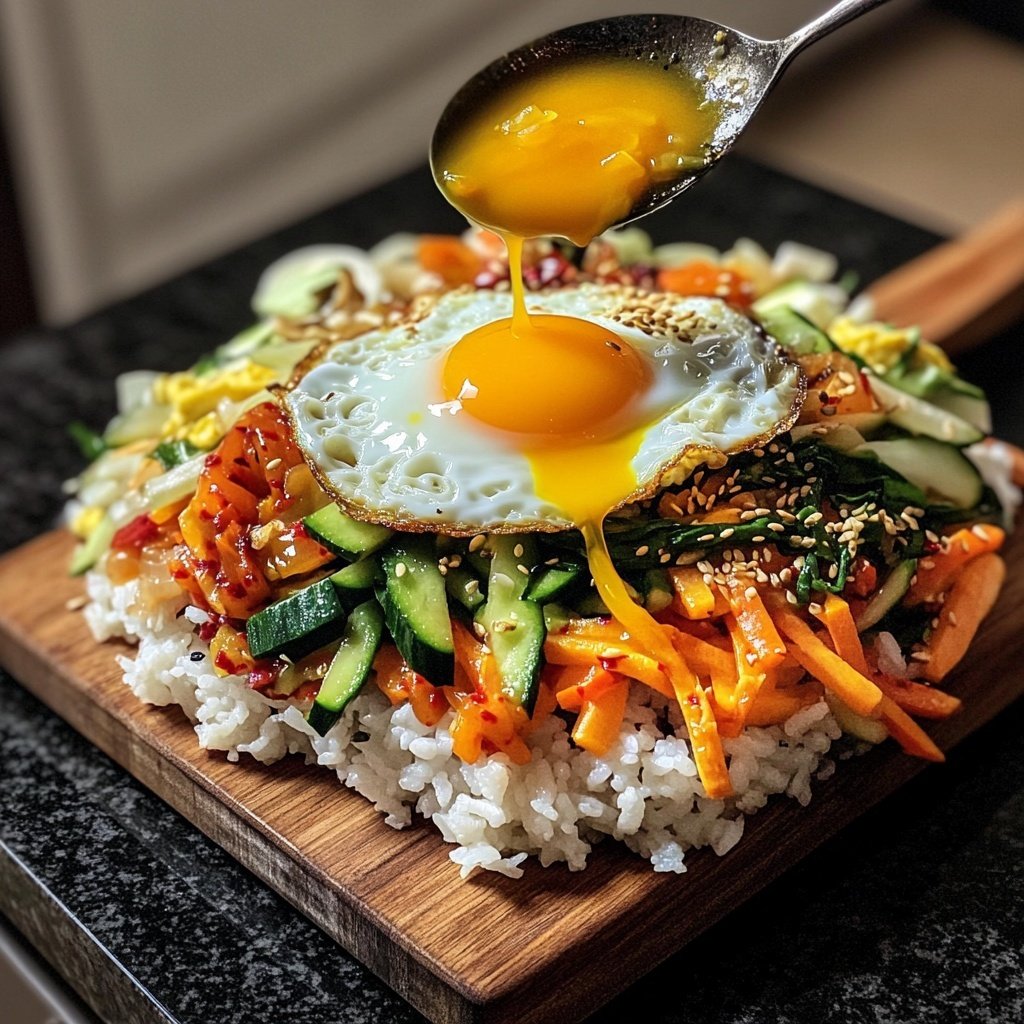
Korean Bibimbap is not just a meal; it's an experience. Originating from Korea, this dish combines rice, vegetables, and meat, topped with a fried egg and gochujang (Korean chili paste). The vibrant colors and textures make it a feast for the eyes and the palate!
Why You'll Love This Recipe
- A symphony of flavors and textures in every bowl
- Nutritious and customizable to suit your taste
- Perfect for sharing with family and friends
The Essence of Bibimbap
Bibimbap is a traditional Korean dish that translates to 'mixed rice.' The beauty of bibimbap lies in its vibrant presentation, featuring a rainbow of ingredients that provide both visual delight and nutritional value. Each component brings its own unique flavor and texture, creating a harmonious blend that is both satisfying and healthy. This dish is not just a meal; it’s an experience that combines the richness of Korean culinary heritage with a modern twist.
One of the most appealing aspects of bibimbap is its versatility. You can easily customize it based on seasonal ingredients or personal preferences. Whether you prefer meat or a vegetarian option, the possibilities are endless. The combination of fresh vegetables, protein, and a kick of gochujang gives you the freedom to create a dish that caters to your taste buds while still being incredibly nourishing.
Nutritional Benefits
Korean bibimbap is not only a feast for the eyes but also a powerhouse of nutrients. The dish is packed with vitamins and minerals from a variety of vegetables like spinach, carrots, and cucumbers, which contribute to a well-balanced meal. Spinach is rich in iron, while carrots provide a good dose of beta-carotene, essential for maintaining healthy vision. This colorful array ensures you get a broad spectrum of nutrients with every bite.
Additionally, the protein source in bibimbap, whether it be ground beef or tofu, offers a satisfying element that helps to keep you full and energized. The healthy fats from sesame oil and the probiotics from a fermented side dish, like kimchi, further enhance the nutritional profile. This makes bibimbap an excellent choice for those looking to maintain a balanced diet without sacrificing flavor.
Serving Suggestions
Bibimbap is a dish best enjoyed fresh, but it also makes for great leftovers. Serve it warm or at room temperature for a satisfying lunch the next day. To elevate your bibimbap experience, consider pairing it with traditional Korean side dishes, known as banchan. These can include kimchi, pickled vegetables, or a savory seaweed salad, adding even more flavor and variety to your meal.
For a complete dining experience, you can also serve bibimbap with a refreshing beverage like iced barley tea or a light fruit punch. These drinks pair wonderfully with the spicy and savory notes of bibimbap, making your meal feel even more authentic and enjoyable. Whether you're hosting a dinner party or enjoying a quiet night in, bibimbap is sure to impress your guests and satisfy your cravings.
Ingrediënten
Gather all the ingredients before you start cooking to ensure a smooth process.
For the Bibimbap
- 2 cups cooked white rice
- 1 cup spinach, blanched
- 1 cup carrots, julienned
- 1 cup cucumber, julienned
- 1 cup bean sprouts, blanched
- 1 cup shiitake mushrooms, sautéed
- 1 cup ground beef (or tofu for a vegetarian option)
- 4 eggs
- 2 tablespoons gochujang
- Sesame oil for drizzling
- Sesame seeds for garnish
Make sure to adjust the ingredients based on your preference and dietary requirements.
Bereidingswijze
Follow these simple steps to create your own delicious Bibimbap.
Prepare the Rice
Cook the white rice according to package instructions and keep it warm.
Cook the Vegetables
In a pan, sauté the shiitake mushrooms, julienned carrots, and blanched spinach separately until tender. Season with a pinch of salt.
Cook the Beef
In the same pan, brown the ground beef, seasoning it with soy sauce and garlic.
Fry the Eggs
In another pan, fry the eggs sunny-side up, ensuring the yolks remain runny.
Assemble the Bibimbap
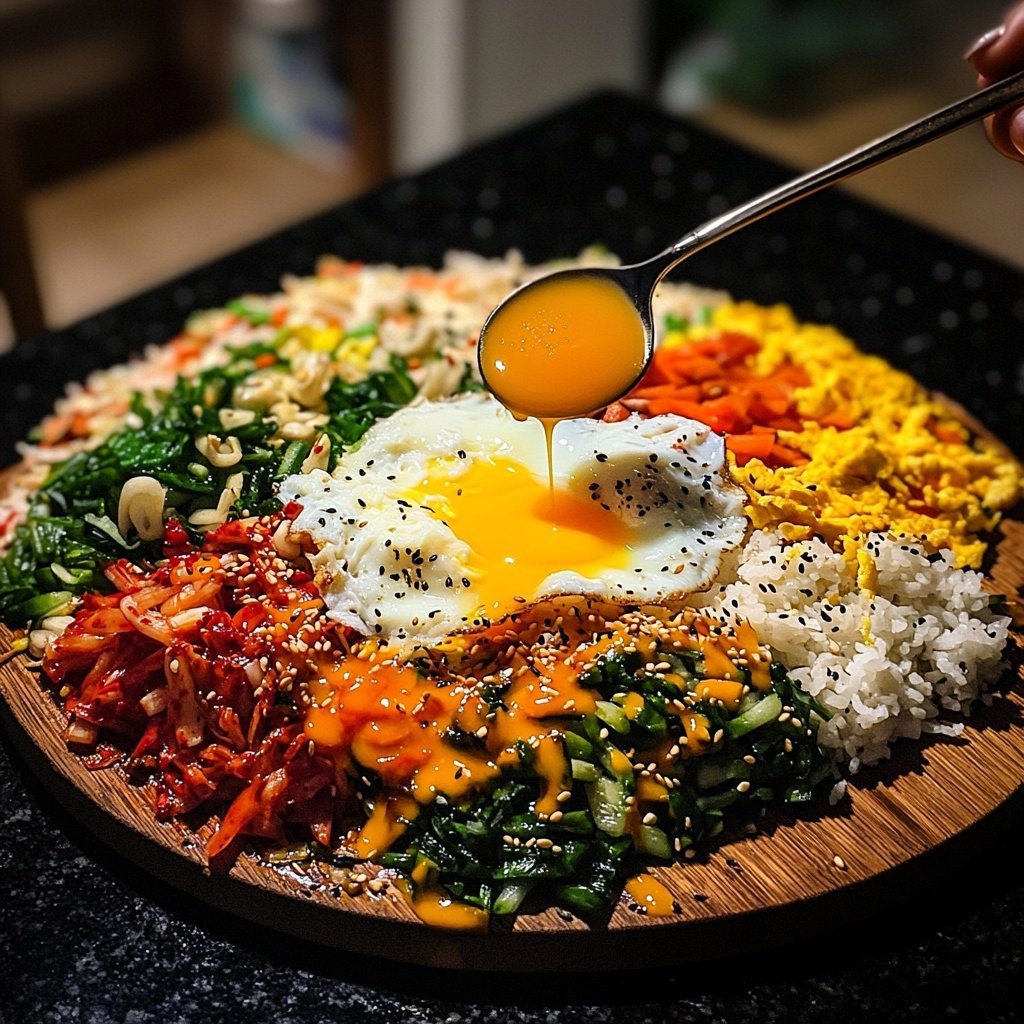
In a bowl, place a serving of rice, and arrange the cooked vegetables, beef, and fried egg on top. Drizzle with sesame oil and add gochujang to taste.
Garnish and Serve
Sprinkle sesame seeds on top and serve hot, mixing all the ingredients together before eating.
Enjoy your homemade Bibimbap and feel free to experiment with different toppings!
Professionele Tips
- For an authentic taste, use Korean sesame oil and gochujang. You can also add kimchi for extra flavor.
Storage Tips
If you have any leftovers, bibimbap can be stored in an airtight container in the refrigerator for up to three days. To reheat, add a splash of water and microwave it for a short time, ensuring the rice does not dry out. Alternatively, you can reheat it in a pan over medium heat, stirring occasionally until warmed through. Just remember to fry a fresh egg when serving to maintain that delightful runny yolk.
For meal prep enthusiasts, consider preparing the individual components of bibimbap ahead of time. Cook the rice, blanch the vegetables, and sauté the protein in advance. Store each ingredient separately in the refrigerator, and assemble your bibimbap bowls as needed. This approach not only saves time but also allows you to enjoy a fresh and healthy meal any day of the week.
Variations to Try
While the traditional bibimbap recipe is delightful, there are many variations you can try to keep things interesting. For instance, you can substitute the ground beef with grilled chicken or shrimp for a different protein flavor. Alternatively, experiment with different vegetables, such as zucchini, radishes, or bell peppers, to create a unique twist on this classic dish.
If you're looking for a spicy kick, consider adding sliced jalapeños or a drizzle of spicy sesame oil. For those who prefer a milder flavor, you can reduce the amount of gochujang or serve it on the side. Incorporating these variations not only enhances the dish but also allows you to cater to different taste preferences, making bibimbap a truly inclusive meal.
Vragen Over Recepten
→ Can I make Bibimbap vegetarian?
Absolutely! Simply replace the ground beef with tofu or additional vegetables.
→ What can I substitute for gochujang?
You can use a mix of miso paste and chili powder as an alternative, though the flavor will differ.
→ How do I store leftovers?
Store each component separately in airtight containers in the fridge for up to 3 days.
→ Can I use brown rice instead of white rice?
Yes, brown rice is a healthier option and can be used for a nuttier flavor.
Korean Bibimbap
Gemaakt door: Ophelia Turner
Recepttype: Collectie culturele wereldgerechten
Vaardigheidsniveau: Intermediate
Eindportie: 4 servings
Wat je Nodig Hebt
For the Bibimbap
- 2 cups cooked white rice
- 1 cup spinach, blanched
- 1 cup carrots, julienned
- 1 cup cucumber, julienned
- 1 cup bean sprouts, blanched
- 1 cup shiitake mushrooms, sautéed
- 1 cup ground beef (or tofu for a vegetarian option)
- 4 eggs
- 2 tablespoons gochujang
- Sesame oil for drizzling
- Sesame seeds for garnish
Stappen
Cook the white rice according to package instructions and keep it warm.
In a pan, sauté the shiitake mushrooms, julienned carrots, and blanched spinach separately until tender. Season with a pinch of salt.
In the same pan, brown the ground beef, seasoning it with soy sauce and garlic.
In another pan, fry the eggs sunny-side up, ensuring the yolks remain runny.
In a bowl, place a serving of rice, and arrange the cooked vegetables, beef, and fried egg on top. Drizzle with sesame oil and add gochujang to taste.
Sprinkle sesame seeds on top and serve hot, mixing all the ingredients together before eating.
Extra Tips
- For an authentic taste, use Korean sesame oil and gochujang. You can also add kimchi for extra flavor.
Voedingswaarde (Per Portie)
- Calories: 500 kcal
- Total Fat: 20g
- Saturated Fat: 5g
- Cholesterol: 210mg
- Sodium: 600mg
- Total Carbohydrates: 65g
- Dietary Fiber: 5g
- Sugars: 4g
- Protein: 20g