Korean Soups and Stews
Uitgelicht onder: Collectie culturele wereldgerechten
Explore the rich and comforting world of Korean soups and stews, a staple in Korean cuisine known for their depth of flavor and heartwarming qualities.
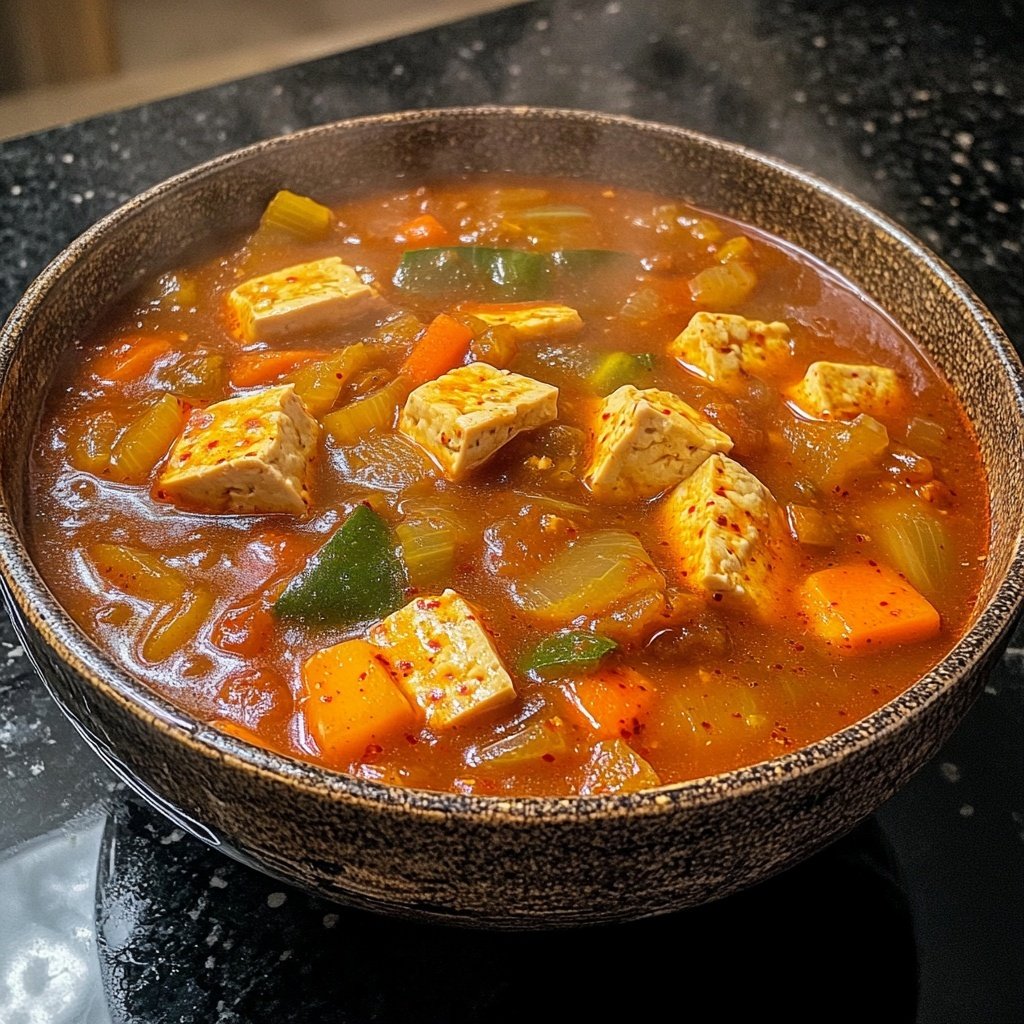
Korean soups and stews are a delightful part of Korean culture, often enjoyed with family and friends. Each recipe tells a story of tradition and warmth, making them perfect for cold days or gatherings.
Why You'll Love This Recipe
- Bursting with authentic Korean flavors and spices
- Perfectly balanced with fresh ingredients and hearty textures
- Comforting and satisfying, ideal for family meals
The Essence of Korean Cuisine
Korean cuisine is celebrated for its bold flavors, unique textures, and the harmonious balance of ingredients. At the heart of this culinary tradition are soups and stews, which are not only delicious but also serve as a vital part of Korean culture. These dishes are often enjoyed during family gatherings and special occasions, bringing people together around the table. Each spoonful offers a taste of history, reflecting regional variations and personal family recipes that have been passed down through generations.
One of the defining characteristics of Korean soups and stews is the use of fermented ingredients, like kimchi. This adds depth and complexity to the flavor profile, making each dish a unique culinary experience. The fermentation process not only enhances taste but also offers health benefits, contributing to gut health and overall well-being. Embracing these traditional cooking methods allows you to explore the richness of Korean flavors in every bite.
Perfect Pairings
Korean soups and stews are versatile and can be paired with a variety of side dishes, known as banchan. These small plates often include pickled vegetables, sautéed greens, or seasoned tofu, which complement the main dish beautifully. The combination of flavors and textures enhances the overall dining experience and showcases the diversity of Korean cuisine. Whether you’re enjoying a simple family meal or hosting a gathering, these pairings will elevate your table.
For an authentic experience, consider serving your stew with a bowl of steamed rice. The rice helps to balance the spiciness of the soup and absorbs the rich flavors, making each mouthful satisfying. Additionally, a refreshing beverage like traditional Korean barley tea can be a perfect accompaniment, cleansing the palate and enhancing the meal.
Health Benefits of Korean Soups
Korean soups and stews are not only hearty and comforting but also offer numerous health benefits. Many recipes incorporate fresh vegetables, lean proteins, and nutrient-rich ingredients like tofu and kimchi, creating a balanced meal that nourishes the body. The use of spices such as gochujang provides antioxidants and can boost metabolism, making these dishes both tasty and beneficial for your health.
Moreover, the fermentation in kimchi promotes healthy digestion and can improve gut health. The probiotics found in fermented foods are known to enhance the immune system and support overall wellness. By including Korean soups and stews in your diet, you can enjoy flavorful meals while also caring for your health.
Ingredients
Korean Soup Ingredients
- 1 lb beef or pork, cut into bite-sized pieces
- 1 onion, chopped
- 4 cloves garlic, minced
- 2 cups kimchi, chopped
- 4 cups beef or vegetable broth
- 2 tablespoons gochujang (Korean chili paste)
- 1 tablespoon soy sauce
- 1 teaspoon sesame oil
- 1 block tofu, cubed
- 2 green onions, sliced
- Salt and pepper to taste
Adjust the ingredients according to your taste preferences.
Preparation Steps
Prepare the Ingredients
Gather all the ingredients and cut the meat into bite-sized pieces. Chop the onion, mince the garlic, and prepare the kimchi.
Cook the Meat
In a large pot, heat some oil over medium heat. Add the meat and cook until browned. Add the chopped onion and minced garlic, sautéing until fragrant.
Add Kimchi and Broth
Add the kimchi to the pot and stir for a few minutes. Then pour in the broth, gochujang, soy sauce, and sesame oil. Bring to a boil, then reduce heat and let it simmer for about 30 minutes.
Incorporate Tofu and Season
Add the cubed tofu to the pot and let it cook for an additional 10 minutes. Season with salt and pepper to taste. Finally, stir in the sliced green onions just before serving.
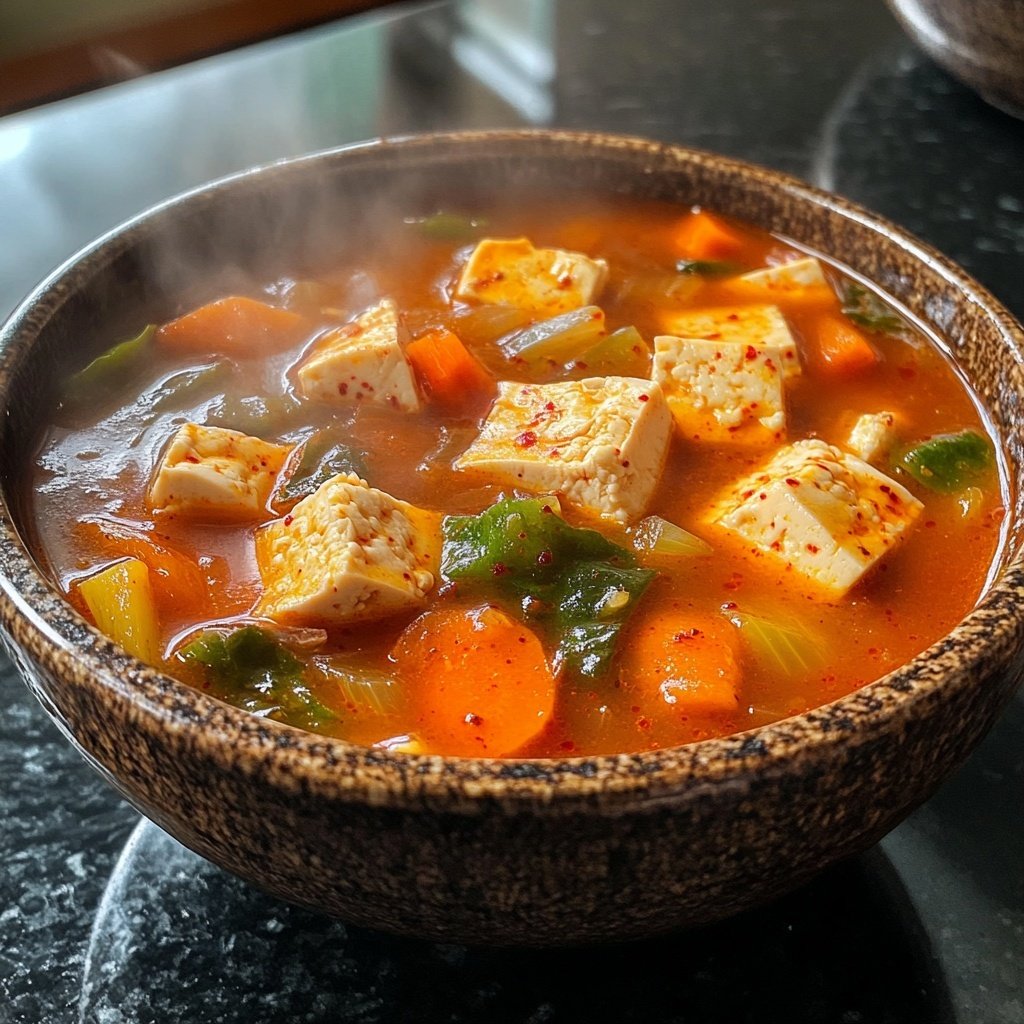
Serve hot with steamed rice and enjoy!
Professionele Tips
- Feel free to add vegetables such as mushrooms or zucchini for extra nutrition and flavor.
Storage and Reheating Tips
Korean soups and stews can be made in large batches, making them ideal for meal prep or leftovers. To store, let the soup cool completely before transferring it to an airtight container. It can be kept in the refrigerator for up to three days or frozen for up to three months. When freezing, consider portioning it into smaller containers for easy reheating.
To reheat, simply warm the soup in a pot over medium heat, stirring occasionally to prevent sticking. If the stew has thickened, you may need to add a splash of water or broth to achieve your desired consistency. Enjoying leftovers is a great way to savor the flavors of your dish even after the initial meal.
Customizing Your Soup
One of the best aspects of Korean soups and stews is their versatility. Feel free to customize the recipe based on your preferences or dietary restrictions. For a vegetarian option, substitute the meat with a variety of mushrooms or additional tofu, and use vegetable broth instead of beef broth. You can also add seasonal vegetables like zucchini, carrots, or spinach for extra nutrition and flavor.
If you enjoy heat, consider increasing the amount of gochujang or adding sliced fresh chili peppers. For those who prefer a milder taste, reduce the amount of chili paste or omit it altogether. The beauty of this dish lies in its adaptability, allowing you to create a version that suits your taste and dietary needs.
Vragen Over Recepten
→ Can I use chicken instead of beef or pork?
Yes, chicken works well and will give a lighter flavor to the soup.
→ Is there a vegetarian version of this recipe?
Absolutely! You can substitute the meat with mushrooms or tofu and use vegetable broth.
→ How spicy is this dish?
The spice level can be adjusted by varying the amount of gochujang used. Start with less if you prefer it milder.
→ Can I make this in advance?
Yes, this stew can be made ahead of time and stored in the refrigerator. It often tastes better the next day!
Korean Soups and Stews
Gemaakt door: Ophelia Turner
Recepttype: Collectie culturele wereldgerechten
Vaardigheidsniveau: Intermediate
Eindportie: Serves 4
Wat je Nodig Hebt
Korean Soup Ingredients
- 1 lb beef or pork, cut into bite-sized pieces
- 1 onion, chopped
- 4 cloves garlic, minced
- 2 cups kimchi, chopped
- 4 cups beef or vegetable broth
- 2 tablespoons gochujang (Korean chili paste)
- 1 tablespoon soy sauce
- 1 teaspoon sesame oil
- 1 block tofu, cubed
- 2 green onions, sliced
- Salt and pepper to taste
Stappen
Gather all the ingredients and cut the meat into bite-sized pieces. Chop the onion, mince the garlic, and prepare the kimchi.
In a large pot, heat some oil over medium heat. Add the meat and cook until browned. Add the chopped onion and minced garlic, sautéing until fragrant.
Add the kimchi to the pot and stir for a few minutes. Then pour in the broth, gochujang, soy sauce, and sesame oil. Bring to a boil, then reduce heat and let it simmer for about 30 minutes.
Add the cubed tofu to the pot and let it cook for an additional 10 minutes. Season with salt and pepper to taste. Finally, stir in the sliced green onions just before serving.
Extra Tips
- Feel free to add vegetables such as mushrooms or zucchini for extra nutrition and flavor.
Voedingswaarde (Per Portie)
- Calories: 450 kcal
- Total Fat: 24g
- Saturated Fat: 8g
- Cholesterol: 70mg
- Sodium: 970mg
- Total Carbohydrates: 32g
- Dietary Fiber: 3g
- Sugars: 4g
- Protein: 30g